It is often called “Nature’s Xanax.” In the islands of the South Pacific, Kava Kava (Piper methysticum) is more than a plant; it is a cultural cornerstone used for conflict resolution and relaxation.
But in the West, it is controversial.
On one hand, it is arguably the strongest natural sedative available without a prescription. It can obliterate anxiety in 20 minutes. On the other hand, it has been banned in parts of Europe due to fears of liver toxicity.
Is it a miracle herb for insomnia, or a dangerous gamble? This review analyzes the science of kavalactones safety, compares it to prescription drugs, and I (Alex) explain why I rated it a cautious 4/10 despite its effectiveness.
What is Kava Kava? (The “Root of Peace”)
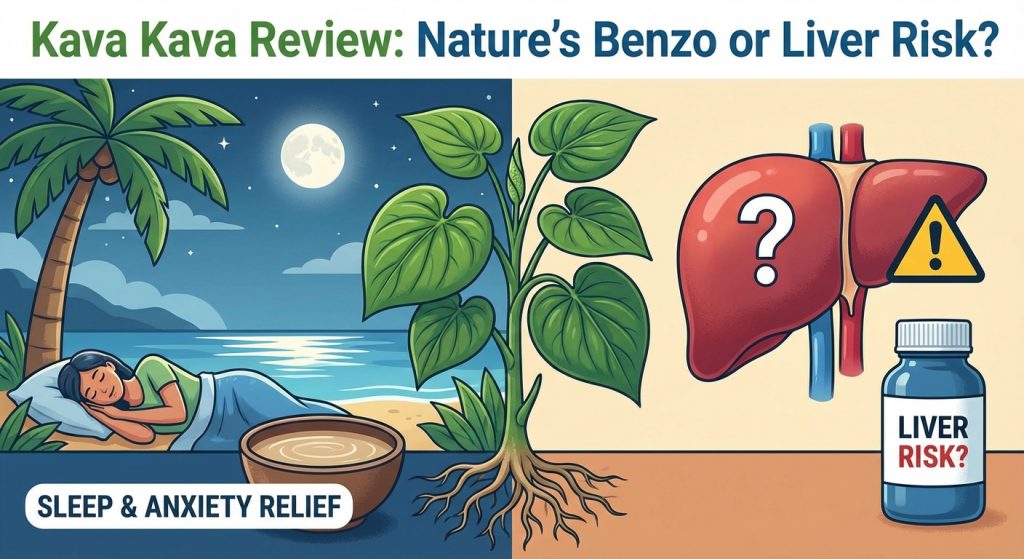
Kava is a root. Unlike tea or coffee which stimulate, Kava sedates. But it doesn’t just make you sleepy; it induces a state of “happy relaxation” while keeping the mind clear.
What is Kava comparable to?
Pharmacologically, it mimics benzodiazepines and alcohol.
- The Mechanism: The active compounds, Kavalactones, interact with the limbic system (the emotional brain). They potentiate GABA-A receptors, similar to alcohol, but without the mental fog or aggression.
- The Sensation: Users report a numb tongue (a sign of quality), followed by muscle relaxation and a profound sense of well-being.
Is kava an upper or downer?
It is unique. In low doses, it can be social and uplifting (euphoric). In higher doses, it is a heavy sedative (“kava drunk”) that pins you to the couch.
Efficacy for Sleep and Anxiety
Is kava kava good for insomnia?
Yes, particularly for sleep onset caused by anxiety. If your brain won’t shut off because you are replaying the day’s events, Kava acts as a chemical “off” switch.
Deep Sleep: Some studies suggest it increases deep sleep without affecting REM, unlike alcohol which destroys REM.
Which herb is best for deep sleep?
While Kava helps you fall asleep, Valerian Root is generally considered better for staying asleep (maintenance). Kava is for the “wired” mind.
The Liver Controversy: Is It Safe?
This is the elephant in the room. In the early 2000s, reports of liver failure linked to Kava supplements led to bans in Germany and other countries (many bans have since been overturned).
Is kava worse for your liver than alcohol?
Probably not, if used correctly. The liver damage cases were largely traced to:
- 1. Bad Parts: Manufacturers using the stems and leaves (which contain toxic alkaloids) instead of just the root.
- 2. Bad Extraction: Using acetone or ethanol extraction instead of traditional water extraction.
- 3. Pre-existing Conditions: Users with compromised livers or those mixing it with alcohol/meds.
Traditional water-extracted noble kava root is generally considered safe for healthy adults in moderation. However, “tinctures” and cheap pills are risky.
Kava vs. The Competition
Is kava better than melatonin?
- Melatonin: A subtle hormone. It sets the clock.
- Kava: A drug-like sedative. It forces relaxation.
- Winner: Kava is stronger. What is 10 times stronger than melatonin? Kava fits that description in terms of subjective effect.
Is kava or ashwagandha better?
- Ashwagandha: Long-term stress reduction (weeks).
- Kava: Immediate anxiety relief (minutes).
- Use Ashwagandha daily; use Kava for acute panic or occasional sleeplessness.
Reddit & Community Consensus
What do users on r/Kava and r/Nootropics say?
- 1. “Reverse Tolerance”: Unlike most drugs where you need more over time, many users report needing less Kava the more often they use it.
- 2. “The Numbness Test”: If your Kava drink or tincture doesn’t make your mouth go numb instantly, users say it is “bunk” (fake or weak).
- 3. “Kava Dermopathy”: Heavy, daily users report dry, scaly skin (kanikani). This is a sign of overuse.
- 4. “Alcohol Replacement”: Many recovering alcoholics swear by Kava as a safe alternative to “unwind” in the evening without the hangover.
- 5. “Dehydration”: It acts as a diuretic. You must drink water, or you will get a headache.
Alex’s Personal Review
The following is based on my personal logs.
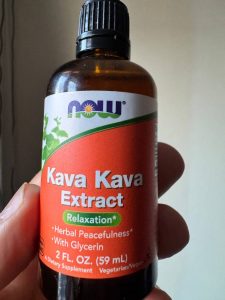
I purchased a highly-rated Kava Tincture from iHerb, popular in the US market. I was looking for something to stop the racing thoughts on high-stress nights.
My Experience:
I took the recommended dose 20 minutes before bed.
- The Taste: Absolutely foul. Like muddy water mixed with pepper. It numbed my lips immediately.
- The Effect: Undeniable. Within 15 minutes, my shoulders dropped three inches. My mind went blank. I fell asleep faster than usual.
- The Aftermath: I woke up fine, but the shadow of the liver toxicity warnings hung over me. Even though I bought a reputable brand, the risk/reward ratio didn’t sit right with me.
My Rating: 4/10
It works. It works too well. But because of the potential for severe liver complications (however rare with noble kava), I cannot recommend this as a daily sleep aid. It is a “nuclear option” for acute panic, not a nutritional supplement for sleep hygiene. I stopped using it.
!!! Advice: Only take this if you have a healthy liver, do not drink alcohol, and ideally, under the guidance of a doctor who can monitor your liver enzymes.
Safety & Interactions
What not to mix kava with?
- Alcohol: Never. This is a double-whammy on the liver.
- Benzodiazepines: Dangerous sedation levels.
- Tylenol (Acetaminophen): Increases liver stress.
Is kava ok before bed?
Yes, but drink plenty of water to avoid dehydration headaches.
Update for December 2025:
Since I first reviewed Kava, the conversation has moved away from “is it safe?” to “how do we use it to quit alcohol?” In 2025, Kava is no longer viewed primarily as a sleep supplement, but as the ultimate “Social Biohack” to preserve Heart Rate Variability (HRV).
1. The Liver Verdict: Noble vs. Tudei (The 2025 Safety Consensus)
We finally have clarity on the liver toxicity fears. The risk is not inherent to Kava itself, but to the type and the solvent.
The Villain: “Tudei” (Two-Day) Kava. This variety contains high levels of Flavokawains, the compounds linked to liver stress and “kava hangovers.”
The Hero: Noble Kava. This is the only type you should consume. It has a chemotype rich in Kavain (relaxing) and low in Flavokawains.
The Rule: If a vendor cannot prove their product is “100% Noble Root” via a Certificate of Analysis (CoA), do not buy it. Furthermore, avoid alcohol-based tinctures. Water extraction is the only method proven safe long-term.
2. The “Biohacker’s Alcohol” (HRV Rescue)
The most popular use of Kava in 2025 is not for insomnia, but for Sobriety.
The Data: Tracking data shows that while Alcohol destroys REM sleep and tanks HRV (Heart Rate Variability) by 20-30%, Kava provides a similar social relaxation effect with zero impact on HRV.
The Use Case: Biohackers are using “Instant Green Kava” at social events to mimic the “buzz” of 2-3 drinks, allowing them to wake up with fully recovered recovery scores the next morning.
3. Sleep Architecture: No REM Suppression
New sleep tracking data confirms why Kava feels different from Benzodiazepines or Alcohol.
The Benefit: Kava does not suppress REM sleep.
The Feeling: This preserves dream quality. However, because it wears off in 3-4 hours, it is excellent for Sleep Onset (falling asleep) but useless for Sleep Maintenance (staying asleep). If you wake up at 3 AM, Kava has likely already left your system.
4. The Format Shift: “Instant” is King
Forget the messy straining cloths or the foul-tasting tinctures I reviewed previously.
The 2025 Standard: “Instant Noble Kava”. This is dehydrated fresh kava juice. It dissolves instantly in water, tastes significantly better (less peppery/muddy), and hits the bloodstream in 10 minutes.
Recommendation: If you want to try Kava safely, buy a “Single Cultivar Instant Green Kava” from a vendor that specializes in Pacific Island sourcing (like Nakamal or similar specialized vendors).
5. Why Bryan Johnson Skips It (The Entropy Argument)
Despite its popularity, you will not find Kava in Bryan Johnson’s “Blueprint” protocol.
The Reason: Bio-accumulation. Kava roots are sponges for heavy metals in the soil.
The Risk: Unless you are sourcing ultra-premium, lab-tested root, the risk of ingesting lead or mold (aflatoxins) is too high for a strict longevity protocol.
Dermopathy: Chronic use leads to Kava Dermopathy (dry, scaly skin) caused by interference with cholesterol metabolism. Johnson avoids anything that degrades skin integrity.
Summary
Kava Kava is the heavy hitter of the herbal world.
- Pros: Potent anxiety relief, muscle relaxation, fast sleep onset.
- Cons: Taste, dry skin, potential liver toxicity (with poor quality products).
- Verdict: Proceed with extreme caution. Stick to Passionflower or Valerian root for safer daily use.

By: Alex Warenstein.
Bio: Alex Warenstein is a sleep biohacker and founder of Night Time Comfort. After battling chronic insomnia and circadian disruption, he now helps others optimize their sleep using data-driven protocols. Read full story.
Disclaimer: Alex is not a doctor. This content is for educational purposes only. Always consult a specialist.